When looking at paper-based packaging, people can get lost between the differences in carton and card.
First things first, when most people say cardboard, they are actually talking about corrugated fibreboard, the thick, brown packaging mostly used for shipping and moving boxes. It is a common confusion in the packaging business, so for the sake of simplicity, we will carry on referring to corrugated fibreboard as cardboard.
Each product requires different things from its packaging, so here is a quick rundown on the frequent uses for both carton board and cardboard:
Examples of Carton Board:
Examples of Cardboard:
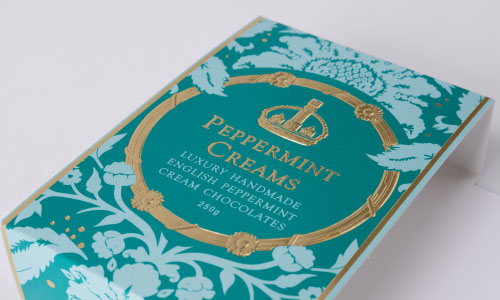
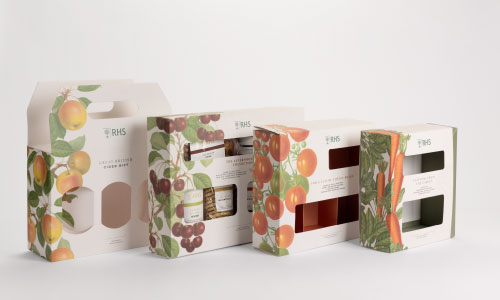
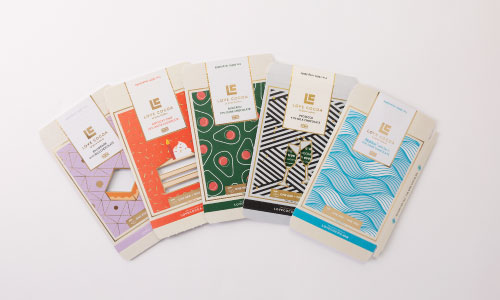
Carton board is highly customisable in terms of printing and graphic design options. The majority of card-based food and cosmetic packaging is made from carton board for this very reason. It offers a high level of print quality while being easily foldable to create a diverse range of shapes, making it suitable for most aesthetic choices. This is why most packaging that has high-resolution images or a range of colours on the box is made of carton board (for example, makeup packaging, cereal boxes, and smaller-scale product displays).
Due to the cardboard's brown colouring, it can be very difficult to get the majority of colours to show up in their true shades. This is why many companies print on boxes using simple black ink. Think of Amazon. It does not print its logo with its usual orange arrow, but instead uses a black-only variant instead. While this works very well for an international conglomerate, if you are a business that heavily relies on your trademark colours for recognition, it may not be suitable for you as a less recognisable brand.
For carton board, the only drawback is that its foldability can make it prone to unwanted bends and creases, especially when being shipped. This means care in transport is a necessity compared to its more durable cardboard counterpart.
The majority of cardboard packaging is used for external transport or heavy products that would rip the carton board. This is because of the cardboard's large fluted inner layer (the corrugated part of your cardboard), making it thicker and acting as a cushion for when an item is bumped. This slight padding can help protect the product inside, but is still not immune to being dented or scratched itself, making it a much more functional but less attractive packaging option.
Carton board is a widely recyclable material, making it an excellent choice for businesses aiming for a low carbon footprint or to reach sustainability targets. With over 60% of the carton board in Europe coming from recycled fibres, chances are you are investing in an eco-friendly product. At Meridian Custom Packaging, we source as many recyclable and environmentally conscious materials as possible to create our carton board packaging, as sustainability is a big part of what we believe in.
A similarly eco-friendly story can be told of cardboard. New cardboard boxes are typically made up of 70%-100% recycled cardboard plus the necessary virgin pulp to keep up the structural integrity. With the majority of cardboard boxes avoiding landfill because of the conscious recycling efforts by the general public, your boxes will end up being reused in future packaging.
To conclude, no, cardboard and carton board are not the same thing; however, there is some crossover in what they are used for. In the majority of situations, it’s a good idea to use both kinds of packaging: a fully-designed printed box for customers to see and handle (often called the “retail unit”), and strong, durable cardboard boxes for the outer shipping box (the “master carton”) to keep everything safe during transit. Knowing the difference between them and utilising each for their strengths helps ensure your product looks great and stays protected all the way from the factory to your customer’s front door.






.svg)

.svg)