Regardless of whether you're an artisan bakery or a food subscription box business, no matter the area of the food development or production process you are a part of, your packaging is often the first tangible touchpoint customers have with your brand. While the quality of your products remains the most important thing, the right packaging comes in a close second, so learning how to create customised food packaging is an essential part of your product's success. Every element, from the materials and structure to the print finish and branding, influences how customers see your products and whether they'll come back for more.
Today, we'll take a look at the main factors to consider when designing your bespoke food packaging. We'll cover how to select the right printed assets, craft the best designs for your product, choose suitable materials, and understand the different options available. We aim for this guide to help you make well-informed choices every step of the way.
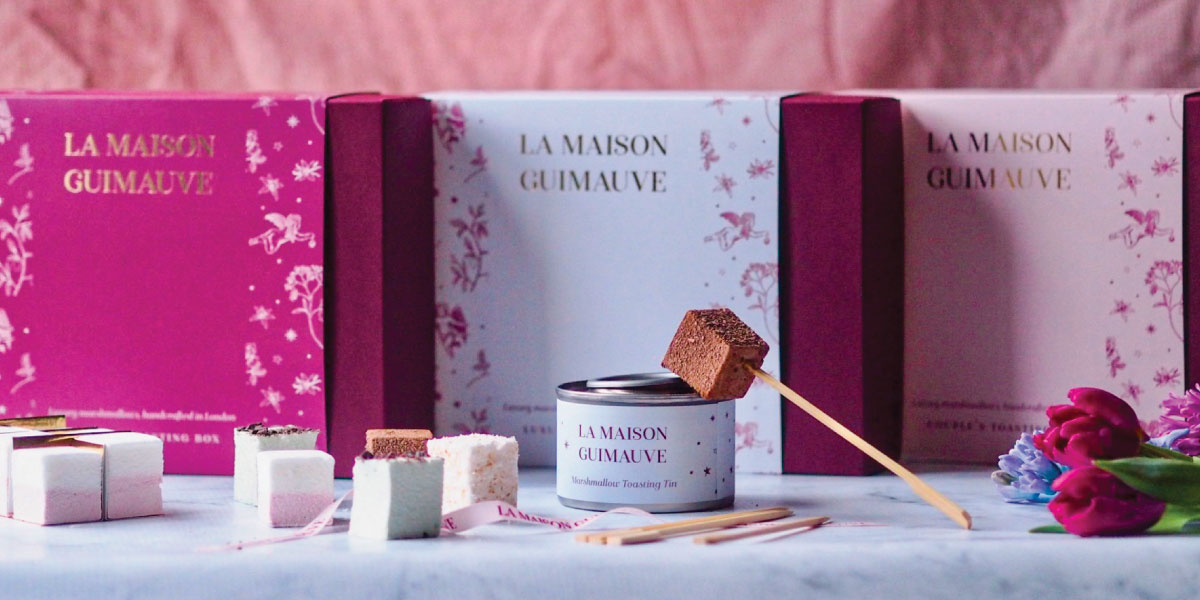
Today's consumers are looking for more than just functional packaging. Most are looking for products that catch the eye, are environmentally friendly, and truly reflect the values of the brands and people behind the product. That’s why having custom packaging to help build instant brand recognition, while also making your products stand out from the competition, is so important. In doing this, if you choose the right materials and design for your packaging, you can also boost the perceived value of your products and create memorable unboxing experiences that customers are more likely to share. For artisan producers, packaging often serves as the only piece of marketing their customers take home, so a well-designed, personalised piece of packaging can really help to reinforce the quality and reputation of a product long after purchase.
Before you dive into colours and graphics, it's really useful to get a clear idea of what your packaging needs to do. Take a moment to ask yourself:
Different foods call for different types of packaging, for instance, fresh bakery items need different solutions compared to dried goods or frozen meals. Things like moisture resistance, grease barriers, and ventilation are all important factors to consider.
If you’re packaging fragile items like delicate pastries, chocolates, or macarons, you’ll want protective inserts or sturdier outer packaging to stop them from moving around during transport.
If you’re running a subscription food service or an online shop, your packaging needs to be tough enough to handle courier journeys. For these sectors, strength is just as vital as how it looks.
For retail displays, your packaging has to stand out among the busy shelves. A great carton design combines practicality with eye-catching branding so it can catch a customer’s eye over the competition.
Even the most beautifully designed products can be let down by poor packaging choices. To help you steer clear of issues we have seen over our years in the packaging industry, here are some common errors to watch out for:
Issue 1: Picking board that’s too thin for your product. You don’t want your packaging to collapse under the weight of the product or to be crushed in transport.
Issue 2: Putting style above all else, at the expense of protection. People won’t care how good your packaging looks if the product itself is damaged.
Issue 3: Using artwork that’s pixelated or low in resolution, as this gives off the impression that your product will match the low quality of the imagery.
Issue 4: Overloading the packaging with too much text. Customers will only glance over your product on the shelf, so it should be instantly clear what you are trying to say, in as few words as possible.
Issue 5: Overlooking the legal food labelling requirements. Don’t get so caught up in how amazing your packaging will look that you forget the basic information needed.
Issue 6: Making the design overly complicated. In a similar vein to issue 4, the customer won’t know where to look and may be overwhelmed.
Issue 7: Failing to test your packaging thoroughly before going into full production, as prototypes will help you test how your product will look and function in the real world.
Whether you're making handcrafted confectionery, luxury patisserie, subscription boxes, or artisan baked goods, choosing top-quality packaging can help your products stand out and leave a lasting impression in a busy marketplace. It's all about ensuring your packaging keeps your products safe, showcases your brand's personality, complies with food safety standards, and leaves a positive and memorable impression on your customers, encouraging them to come back for more.
If you are looking for bespoke packaging or have any questions about the article above, then click the link below:
https://www.meridiancustompackaging.co.uk/contact
.jpg)
.jpg)
.jpg)
.jpg)
.jpg)






.svg)

.svg)